The site is an independent fan-made editorial guide and is not
affiliated with Capcom, Konami, Technos Japan or any rights holders.
All trademarks belong to their owners.
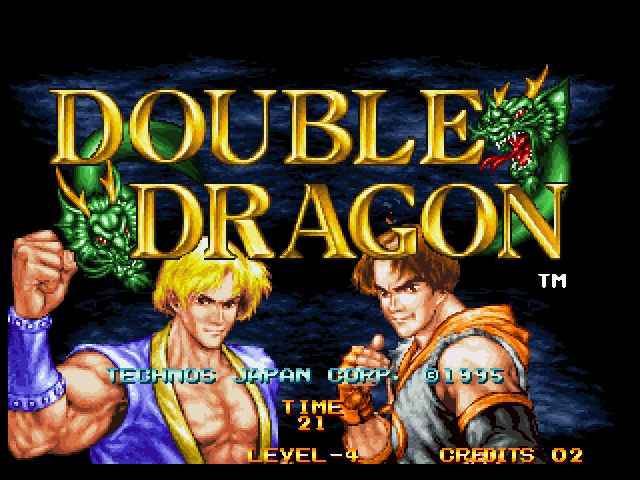
The pioneer that established the modern belt-scroller formula.
Introducing a faux-3D plane, co-op mechanics, and a robust
move set that allowed players to disarm enemies and use their
own bats, whips, and knives against them.
While earlier games experimented with the genre, it was Billy
and Jimmy Lee's quest through a post-apocalyptic city that
cemented the template every future brawler would iterate upon.
Taking the foundation laid by its predecessors and polishing
it to a mirror shine with massive, detailed sprites and
crushing sound design. Metro City became the ultimate
playground for urban justice.
Choosing between Haggar's devastating wrestling throws, Cody's
knife skills, or Guy's rapid ninjutsu offered distinct
playstyles that kept players feeding quarters into the machine
for hours.
The cabinet that revolutionized the physical arcade footprint.
By expanding the control deck to accommodate four players
simultaneously, Konami turned the brawler into an inescapable
social event.
Combined with the massively popular license, vibrant cartoon
graphics, and the original voice cast's digitized sound bites,
it created a chaotic, joyful co-op experience that defined a
generation.
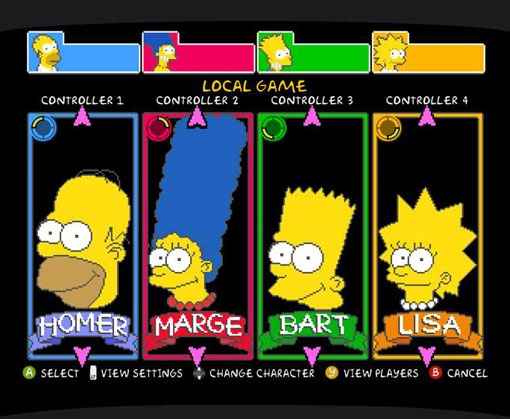
Translating Matt Groening's animation into a fluid,
side-scrolling format was a technical marvel. The game stood
out by introducing innovative team-up attacks, where two
players could combine characters for devastating special
moves.
Using a vacuum cleaner, a skateboard, or just bare fists,
roaming through Springfield to save Maggie from Mr. Burns
remains one of the most mechanically creative and visually
faithful adaptations in gaming history.
Famous for its legendary double-screen setup that allowed up
to six players to fight simultaneously. The massive panoramic
display immersed players entirely in the mutant battle against
Magneto.
With screen-clearing mutant powers that drained player health
and a seemingly endless swarm of Sentinels, it was a pure
spectacle of color, chaos, and unforgettable soundbites.
Unlike deep fighting games that demanded memorization of complex
joystick motions, the beat-em-up thrived on accessibility. A
standard setup required only an eight-way joystick and two
buttons: attack and jump.
This low barrier to entry meant anyone walking past a cabinet
could instantly grasp the objective. Walk right, mash the attack
button, and watch the spectacular animations unfold. It was
instant gratification engineered for high foot traffic.
2. Co-op Cabinet Culture
Before online multiplayer existed, the physical cabinet was the
social hub. Brawlers shifted the dynamic from competitive
rivalry to cooperative survival. Strangers became sudden allies
against overwhelming digital odds.
The physical proximity of standing shoulder-to-shoulder,
shouting callouts to focus on a boss or begging a partner not to
eat the floor chicken while at full health, created an unmatched
communal atmosphere.
3. Character, Chaos and Replay Value
Developers masked the repetitive nature of walking right and
punching by injecting massive personality into the sprites and
environments. Every stage offered new weapons, destructible
scenery, and bizarre enemy types.
The thrill of discovering hidden areas or mastering the delicate
timing of crowd control kept players returning. Even when the
end credits rolled, the urge to try a different character or
beat a high score guaranteed immense replay value.
CABINET LORE
Six Quarter-Munching Truths
Four-Player Footprint
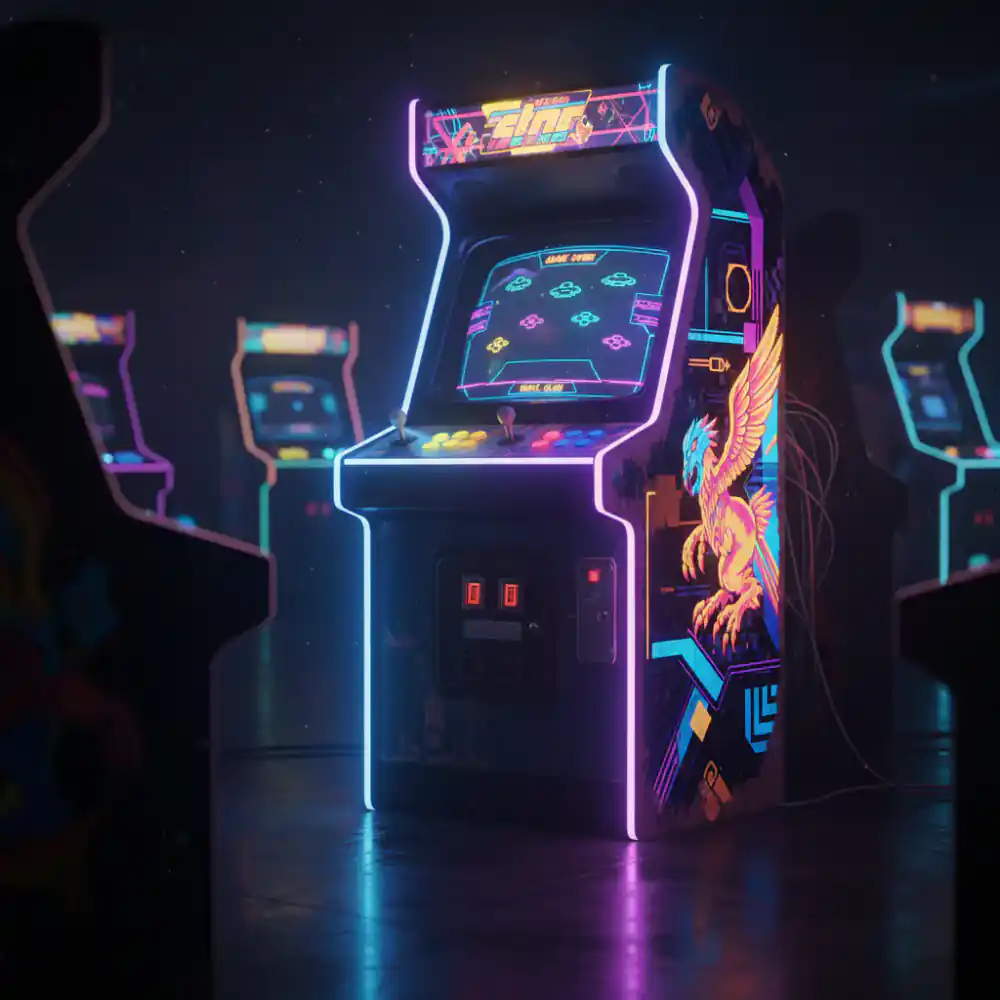
Four-player cabinets demanded premium real estate in cramped
arcades. Their massive control panels and wide-angle CRT
monitors forced owners to rearrange aisles, but the resulting
crowd draw easily justified the space.
Licensed Cartoon Power
Using familiar Saturday morning IP was a brilliant marketing
hook. It bridged the gap between passive television viewing and
active participation, guaranteeing a line of eager kids holding
tokens.
Drop-in Co-op Design
The genius of arcade co-op was seamless drop-in mechanics. A
player could slam a coin into the slot and press start to
instantly spawn into an ongoing brawl, saving an overwhelmed
stranger from a game over.
The Boss Fight Drain
Boss encounters were meticulously designed to drain quarters.
They employed unblockable attacks, invincibility frames upon
wake-up, and massive health bars, forcing players to spend money
to revive and finish the fight.
Side-Scrolling Depth
Brawlers perfected the 2.5D belt-scroll. By using vertical axis
movement on a flat 2D plane, developers created a compelling
illusion of depth, allowing characters to sidestep projectiles
and line up combo attacks.
FM Synthesis Roar
Arcade floors were loud. Cabinets utilized specialized sound
chips featuring FM synthesis to blast digitized speech, heavy
bass impact sounds, and driving synth-rock soundtracks over the
ambient noise of the venue.
JOIN THE ROSTER
Drop a Token
Whether you have a tip on an obscure cabinet, want to correct
our history, or are looking to collaborate on a new retro
feature, our coin slots are open. Reach out using the form or
our direct lines.